Beyerdynamic DT 770 PRO Headphones - 250 Ohm B-Stock
.jpg)
.jpg)

Why Joh.deHeer?
- More than 125 years of experience
- 2500M2 Showroom
- Effective Customer Service
- Customers rate Joh.deHeer 9.5/10
- Description
- Specifications
- Graduated calculations
- Demonstration request
Please note: this is a B-stock model with a 12-month warranty. The headphones are still in the original box and show no signs of damage.
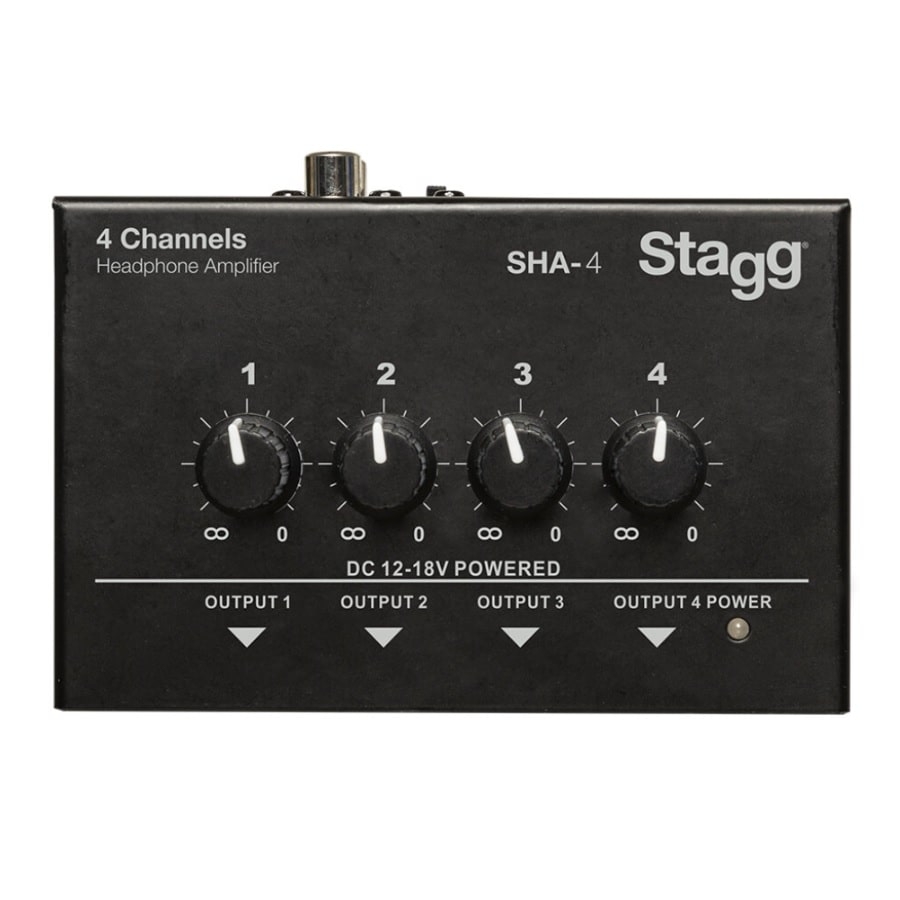
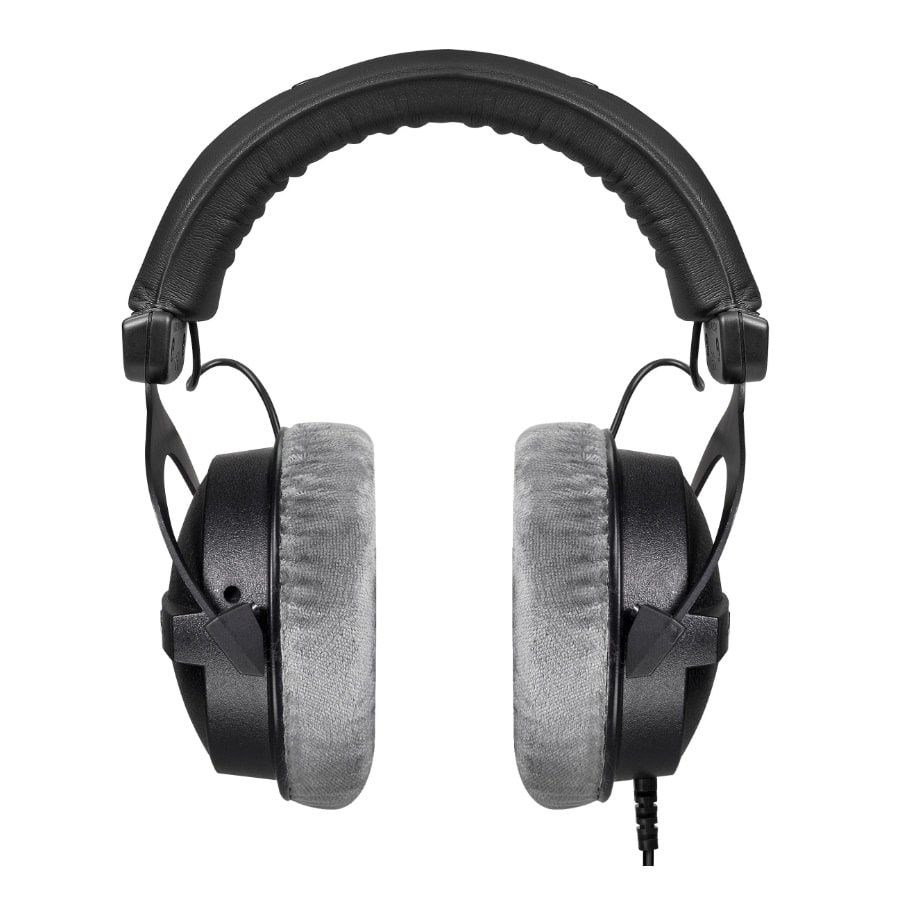
The DT 770 PRO is an excellent studio headphone from Beyerdynamic. This model is available in three different impedance versions: 32 ohm, 80 ohm and 250 ohm. This DT 770 PRO is the 250 ohm version. A higher impedance requires more voltage to operate, but typically delivers improved sound quality. The downside of higher impedance is that it is less suitable for devices such as smartphones or MP3 players, as they cannot provide sufficient output. It is possible to use these headphones with a mobile device, but a headphone amplifier would be required. For this reason, higher impedance headphones are better suited to studio use rather than mobile or standard computer use. Headphones with a lower impedance require less voltage and therefore perform better with phones or computers, delivering good sound at lower output levels. However, lower impedance headphones are less suitable for hi-fi applications, as they may distort more easily. This high-quality headphone is therefore available in different impedance versions: 32 ohm for smartphones and laptops, 80 ohm for general studio use, and 250 ohm for professional applications and audio mixing.
The DT 770 PRO features a circumaural design with a closed-back construction. This means that the rear of the ear cups is sealed, allowing sound to remain contained while also reducing external noise. Both closed-back and open-back designs have their advantages and disadvantages. A closed-back design is preferable in a studio environment, as it prevents sound from leaking into microphones. An open-back design offers a more spacious sound, but is less suitable for public or shared environments, as sound is audible to others nearby. The ear cushions are soft for maximum comfort and can be replaced if necessary. The headband is also highly comfortable. The sound produced by these headphones is of high quality and remains neutral, which is essential for professional audio applications. Neutral monitoring provides an accurate representation of the sound, whereas consumer headphones often emphasise certain frequencies, such as bass, making them less suitable for critical listening and mixing.
No specifications available
Would you like to test this product?
Visit our store and try it out.
- Description
- Specifications
- Graduated calculations
- Demonstration request
Please note: this is a B-stock model with a 12-month warranty. The headphones are still in the original box and show no signs of damage.
The DT 770 PRO is an excellent studio headphone from Beyerdynamic. This model is available in three different impedance versions: 32 ohm, 80 ohm and 250 ohm. This DT 770 PRO is the 250 ohm version. A higher impedance requires more voltage to operate, but typically delivers improved sound quality. The downside of higher impedance is that it is less suitable for devices such as smartphones or MP3 players, as they cannot provide sufficient output. It is possible to use these headphones with a mobile device, but a headphone amplifier would be required. For this reason, higher impedance headphones are better suited to studio use rather than mobile or standard computer use. Headphones with a lower impedance require less voltage and therefore perform better with phones or computers, delivering good sound at lower output levels. However, lower impedance headphones are less suitable for hi-fi applications, as they may distort more easily. This high-quality headphone is therefore available in different impedance versions: 32 ohm for smartphones and laptops, 80 ohm for general studio use, and 250 ohm for professional applications and audio mixing.
The DT 770 PRO features a circumaural design with a closed-back construction. This means that the rear of the ear cups is sealed, allowing sound to remain contained while also reducing external noise. Both closed-back and open-back designs have their advantages and disadvantages. A closed-back design is preferable in a studio environment, as it prevents sound from leaking into microphones. An open-back design offers a more spacious sound, but is less suitable for public or shared environments, as sound is audible to others nearby. The ear cushions are soft for maximum comfort and can be replaced if necessary. The headband is also highly comfortable. The sound produced by these headphones is of high quality and remains neutral, which is essential for professional audio applications. Neutral monitoring provides an accurate representation of the sound, whereas consumer headphones often emphasise certain frequencies, such as bass, making them less suitable for critical listening and mixing.
No specifications available
Would you like to test this product?
Visit our store and try it out.
BUNDLE OFFERS

.jpg "Boss Cube Street II Portable Amplifier Black B-Stock")