Types of flutes
.jpg "Types of flutes - r_(2)")
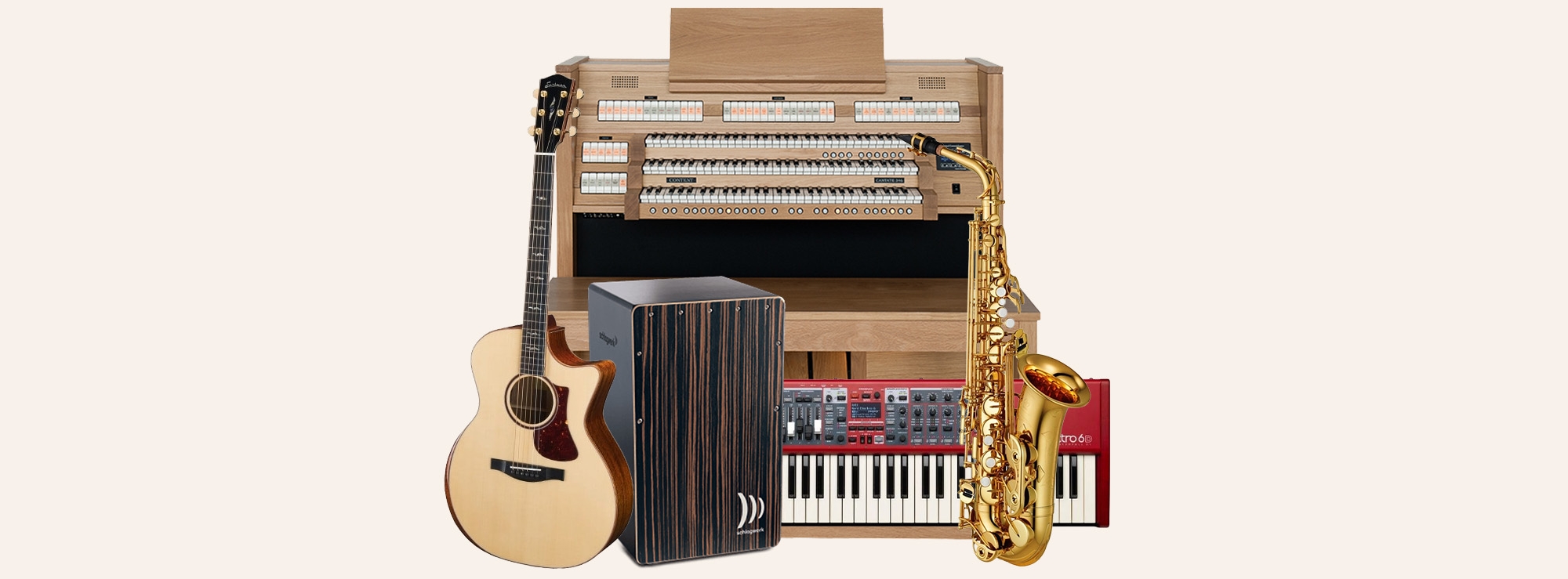
There are many types of flutes. They differ in brand, material, whether they are handmade or not, country of production, soprano, alto, tenor or bass, open or closed keys, and so on. Let’s start with the different materials.
Different materials
Common transverse flutes are often made from nickel silver. These flutes offer a bright and radiant tone, perfect for a variety of musical styles. There are also flutes with a silver lip plate and/or silver headjoint, which further refine the sound. A silver lip plate provides better response and a wider tonal range, while a silver headjoint enhances warmth and depth in the tone. These features contribute to better projection and a more expressive playing experience.
View our range of flutes here.
 Wooden transverse flutes have a rich history and have been used for centuries. Originally made from woods such as grenadilla or rosewood, they offer a warm, organic sound. Although they became less common over time, modern developments in wooden flute construction have improved stability and precision. Contemporary wooden flutes combine the warmth of a traditional tone with modern technology, making them suitable for both classical and jazz music. They offer a unique tone colour with subtle nuances and excellent projection.
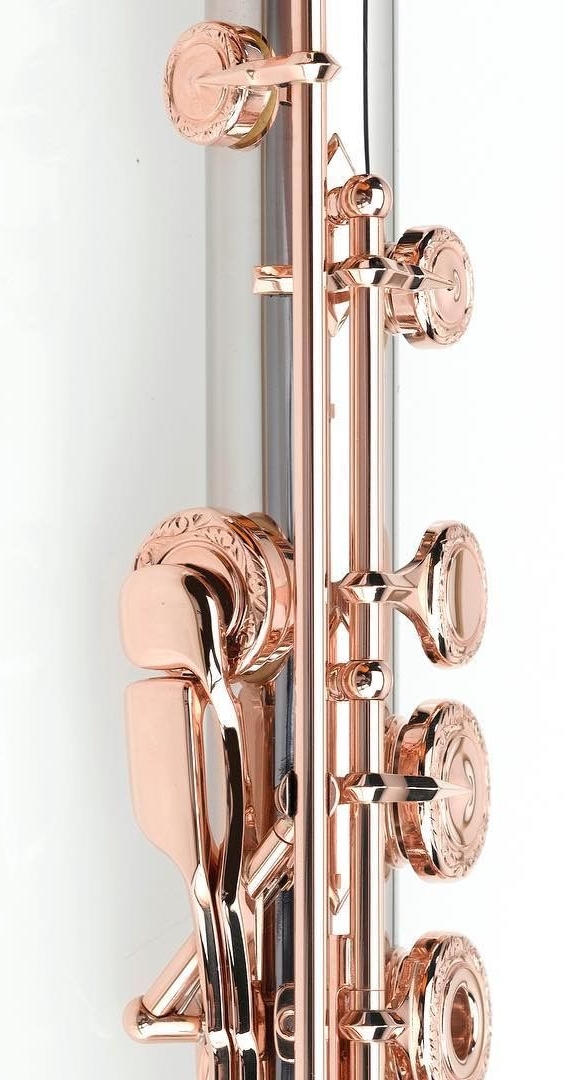 Flutes made from precious metals such as silver, gold and platinum belong to the top class of flutes and are often used by professional players. A fully silver flute produces a clear and brilliant tone, while a gold flute offers a richer and deeper sound with more complexity. The ultimate luxury is the platinum flute, which provides an exceptionally rich and refined sound. These precious‑metal flutes deliver superior response, unparalleled projection and outstanding dynamic control. They are treasured by advanced players seeking the very best sound and playing experience.
Technical differences
 Transverse flutes can have different mechanical features that influence playability and sound. An important distinction is the type of keys: open‑hole or closed‑hole keys. Open‑hole keys offer a lighter touch and faster response, while closed‑hole keys are easier to maintain and less prone to leaks.
 Another feature is the French pointed key arms, which provide smoother and more efficient mechanics. This improves playability and makes fast passages easier to perform. In addition, flutes may have an offset G mechanism, making the G‑key more comfortable to play.
Regarding the footjoint, a flute can have a C foot or a B foot. A C foot has a shorter tube and ends on the note C, while a B foot has a longer tube and extends to the note B. A C foot offers a bright and airy tone, whereas a B foot produces a deeper and fuller sound.
 Finally, there are different types of headjoints, such as the straight headjoint and the curved headjoint. The straight headjoint offers a more direct and brighter sound, while the curved headjoint can be more comfortable for players with a smaller physique.
It is important to consider personal preferences and playing style when choosing the mechanical features of a flute. It is advisable to try different instruments and seek advice from a professional flautist or teacher in order to make the best choice.
Other differences
In addition to mechanical differences, there are other important factors to consider when choosing a flute. One of these is the difference between high‑quality Japanese flutes and flutes from other countries. Japanese flutes, such as those made by Yamaha, are known for excellent craftsmanship, precise finishing and consistent quality. They often have a clear and balanced tone and are widely used by professional flautists.
Alongside Japanese brands, there are other reputable manufacturers such as Pearl, Eastman, SML Paris and Trevor James. Each brand has its own tonal characteristics and playing qualities, and it is always worth trying different instruments to find the one that suits you best.
 When choosing a flute, it is essential to take into account your playing level, musical goals, personal preferences and budget. It is always advisable to try different flutes and seek guidance from experienced flautists or teachers to find the instrument that best matches your needs and playing style.
Do you have any questions? Call or email us, or feel free to visit our store!