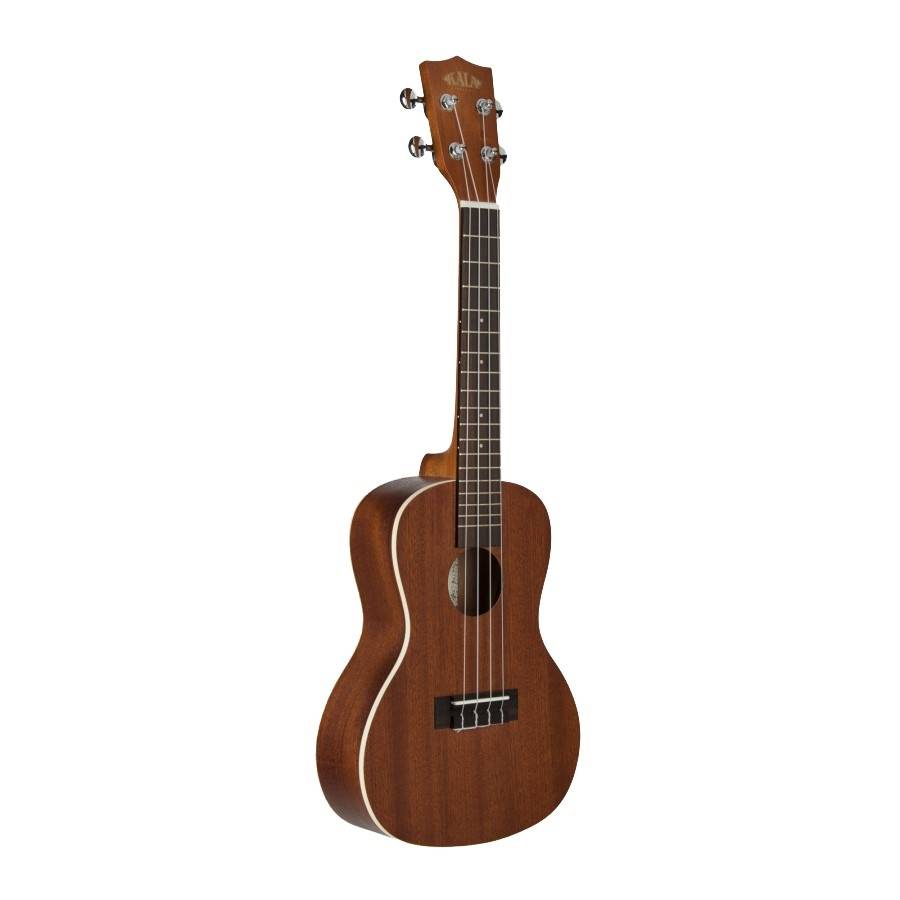
Kala KA-C - Concert Ukulele
.jpg)
.jpg)
.jpg)
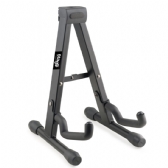
With free
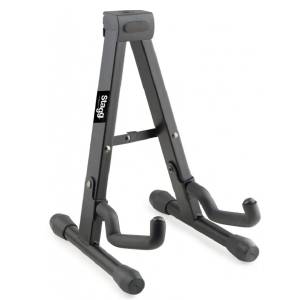
Stand
worth
€ 18,95
Why Joh.deHeer?
- More than 125 years of experience
- 2500M2 Showroom
- Effective Customer Service
- Customers rate Joh.deHeer 9.5/10
Now free:
- Description
- Specifications
- Graduated calculations
- Demonstration request
The Kala KA-C is a highly popular concert ukulele of exceptional quality. Thanks to its outstanding price-to-performance ratio, this ukulele is an excellent choice for both beginners and professional players. First introduced in 2005, this traditionally styled ukulele was Kala’s flagship model at the time. Over the years, both the instrument and the Kala brand have undergone significant development, making the KA-C one of the company’s best-selling models today.
Tonewoods used in the Kala KA-C
The Kala KA-C concert ukulele is constructed entirely from mahogany. Its cream-white binding and satin finish give the instrument a traditional appearance. Originally, the fingerboard was made from the commonly used rosewood. Following the introduction of CITES regulations, Kala chose to use walnut for the fingerboard instead. As a result, all KA-C ukuleles manufactured from February 2017 onwards are fitted with a walnut fingerboard.
Supplied with a complete accessory package
This ukulele is supplied direct from the factory with the Kala UB-C ukulele gig bag included. This durable bag, valued at €25, provides excellent protection for the instrument. The KA-C is fitted with high-quality Aquila strings, which are highly regarded and recommended by many ukulele players. Kala also offers a free Ukulele Tuning App, available for Android and iOS devices. For beginners, the app explains how to tune the instrument correctly. Using the app helps ensure that the ukulele is always kept in tune.
Kala ukuleles
The Kala ukulele brand originates from Petaluma, just north of San Francisco. Founded in 2005, Kala emerged from a region known for its wineries, farmers, brewers and diverse community of artists. The local culture is deeply rooted in creativity and craftsmanship, inspiring innovative ukuleles that have gradually gained worldwide recognition. Today, Kala has established a presence in several locations, including Ashland, California, Virginia and Hawaii, the birthplace of the ukulele.
Technical specifications
Kind of Ukulele:
Concert
Colour:
Natural
Wood Type Top:
Mahogany
Wood Type Back and Sides:
Mahogany
Construction Body:
Laminated
Material neck:
Mahogany
Fretboard wood type:
Walnut
Included Bag / Case:
Bag
Would you like to test this product?
Visit our store and try it out.
- Description
- Specifications
- Graduated calculations
- Demonstration request
The Kala KA-C is a highly popular concert ukulele of exceptional quality. Thanks to its outstanding price-to-performance ratio, this ukulele is an excellent choice for both beginners and professional players. First introduced in 2005, this traditionally styled ukulele was Kala’s flagship model at the time. Over the years, both the instrument and the Kala brand have undergone significant development, making the KA-C one of the company’s best-selling models today.
Tonewoods used in the Kala KA-C
The Kala KA-C concert ukulele is constructed entirely from mahogany. Its cream-white binding and satin finish give the instrument a traditional appearance. Originally, the fingerboard was made from the commonly used rosewood. Following the introduction of CITES regulations, Kala chose to use walnut for the fingerboard instead. As a result, all KA-C ukuleles manufactured from February 2017 onwards are fitted with a walnut fingerboard.
Supplied with a complete accessory package
This ukulele is supplied direct from the factory with the Kala UB-C ukulele gig bag included. This durable bag, valued at €25, provides excellent protection for the instrument. The KA-C is fitted with high-quality Aquila strings, which are highly regarded and recommended by many ukulele players. Kala also offers a free Ukulele Tuning App, available for Android and iOS devices. For beginners, the app explains how to tune the instrument correctly. Using the app helps ensure that the ukulele is always kept in tune.
Kala ukuleles
The Kala ukulele brand originates from Petaluma, just north of San Francisco. Founded in 2005, Kala emerged from a region known for its wineries, farmers, brewers and diverse community of artists. The local culture is deeply rooted in creativity and craftsmanship, inspiring innovative ukuleles that have gradually gained worldwide recognition. Today, Kala has established a presence in several locations, including Ashland, California, Virginia and Hawaii, the birthplace of the ukulele.
Technical specifications
Kind of Ukulele:
Concert
Colour:
Natural
Wood Type Top:
Mahogany
Wood Type Back and Sides:
Mahogany
Construction Body:
Laminated
Material neck:
Mahogany
Fretboard wood type:
Walnut
Included Bag / Case:
Bag
Would you like to test this product?
Visit our store and try it out.
BUNDLE OFFERS
Kala KA-C - Concert Ukulele
Normal:
Bundle price:
Your discount:
Kala KA-C - Concert Ukulele
Normal:
Bundle price:
Your discount:

.jpg "{rs_getrelatedproducts.model_titel_2}")
.jpg "{rs_getrelatedproducts.model_titel_2}")